Gay Westerners visiting India for the first time are often surprised by the contradictions they encounter, especially the sexual ones.
On one hand, same-gender sexual relations were against the law until 2018, when the country’s Surpreme Court struck down Section 377 of the Indian Penal Code. Yet in many parts of the country, you’ll see men holding hands in the streets and even cuddling in public places—they’re usually straight, but then, maybe not? While overtly LGBTQ+ spaces are rare in modern India, over the last couple of decades, regular club nights have sprung up in the larger cities, promoted through email lists, social media pages and word of mouth. Profiles on hookup apps often don’t have face photos, but that doesn’t mean the apps aren’t busy. On the other side of things, Indian culture recognizes a third gender, known as Hijra, which sounds cool, but Hirjas are typically not well-treated by society.
Sanjay Malhotra first jumped into these contradictions about 18 years ago with the launch of Indjapink, a bespoke tour company aimed at gay men, typically from other countries. Because of the crowding and logistical complications that can make getting around in India a little frustrating, having dedicated transportation and gay or gay-friendly drivers and guides can turn a frazzled tour into something splendid. With so much of LGBTQ+ culture happening underground, Indjapink can also help international visitors meet local gay people and find some of the cooler LGBTQ+-friendly spots.
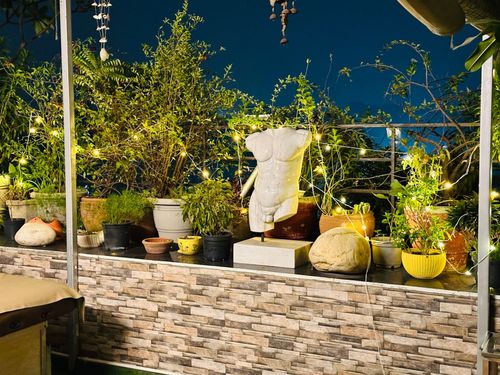
Eight years after the launch of Indjapink, Malhotra opened Mister & Art House (D3, Greater Kailash Enclave II, Greater Kailash, New Delhi) in a relaxed southern neighbourhood of his hometown of New Delhi. The guesthouse has five well-appointed rooms, a rooftop terrace, shared spaces for meeting other guests and a huge art collection, including lots of homoerotic art. Gay Westerners visiting India for the first time are often surprised by the contradictions they encounter, especially the sexual ones.
On one hand, same-gender sexual relations were against the law until 2018, when the country’s Surpreme Court struck down Section 377 of the Indian Penal Code. Yet in many parts of the country, you’ll see men holding hands in the streets and even cuddling in public places—they’re usually straight, but then, maybe not? While overtly LGBTQ+ spaces are rare in modern India, over the last couple of decades, regular club nights have sprung up in the larger cities, promoted through email lists, social media pages and word of mouth. Profiles on hookup apps often don’t have face photos, but that doesn’t mean the apps aren’t busy. On the other side of things, Indian culture recognizes a third gender, known as Hijra, which sounds cool, but Hirjas are typically not well-treated by society.
Sanjay Malhotra first jumped into these contradictions about 18 years ago with the launch of Indjapink, a bespoke tour company aimed at gay men, typically from other countries. Because of the crowding and logistical complications that can make getting around in India a little frustrating, having dedicated transportation and gay or gay-friendly drivers and guides can turn a frazzled tour into something splendid. With so much of LGBTQ+ culture happening underground, Indjapink can also help international visitors meet local gay people and find some of the cooler LGBTQ+-friendly spots.
Eight years after the launch of Indjapink, Malhotra opened Mister & Art House (D3, Greater Kailash Enclave II, Greater Kailash, New Delhi) in a relaxed southern neighbourhood of his hometown of New Delhi. The guesthouse has five well-appointed rooms, a rooftop terrace, shared spaces for meeting other guests and a huge art collection, including lots of homoerotic art. Gay Westerners visiting India for the first time are often surprised by the contradictions they encounter, especially the sexual ones.
On one hand, same-gender sexual relations were against the law until 2018, when the country’s Surpreme Court struck down Section 377 of the Indian Penal Code. Yet in many parts of the country, you’ll see men holding hands in the streets and even cuddling in public places—they’re usually straight, but then, maybe not? While overtly LGBTQ+ spaces are rare in modern India, over the last couple of decades, regular club nights have sprung up in the larger cities, promoted through email lists, social media pages and word of mouth. Profiles on hookup apps often don’t have face photos, but that doesn’t mean the apps aren’t busy. On the other side of things, Indian culture recognizes a third gender, known as Hijra, which sounds cool, but Hirjas are typically not well-treated by society.
Sanjay Malhotra first jumped into these contradictions about 18 years ago with the launch of Indjapink, a bespoke tour company aimed at gay men, typically from other countries. Because of the crowding and logistical complications that can make getting around in India a little frustrating, having dedicated transportation and gay or gay-friendly drivers and guides can turn a frazzled tour into something splendid. With so much of LGBTQ+ culture happening underground, Indjapink can also help international visitors meet local gay people and find some of the cooler LGBTQ+-friendly spots.
Eight years after the launch of Indjapink, Malhotra opened Mister & Art House (D3, Greater Kailash Enclave II, Greater Kailash, New Delhi) in a relaxed southern neighbourhood of his hometown of New Delhi. The guesthouse has five well-appointed rooms, a rooftop terrace, shared spaces for meeting other guests and a huge art collection, including lots of homoerotic art. Gay Westerners visiting India for the first time are often surprised by the contradictions they encounter, especially the sexual ones.
On one hand, same-gender sexual relations were against the law until 2018, when the country’s Surpreme Court struck down Section 377 of the Indian Penal Code. Yet in many parts of the country, you’ll see men holding hands in the streets and even cuddling in public places—they’re usually straight, but then, maybe not? While overtly LGBTQ+ spaces are rare in modern India, over the last couple of decades, regular club nights have sprung up in the larger cities, promoted through email lists, social media pages and word of mouth. Profiles on hookup apps often don’t have face photos, but that doesn’t mean the apps aren’t busy. On the other side of things, Indian culture recognizes a third gender, known as Hijra, which sounds cool, but Hirjas are typically not well-treated by society.
Sanjay Malhotra first jumped into these contradictions about 18 years ago with the launch of Indjapink, a bespoke tour company aimed at gay men, typically from other countries. Because of the crowding and logistical complications that can make getting around in India a little frustrating, having dedicated transportation and gay or gay-friendly drivers and guides can turn a frazzled tour into something splendid. With so much of LGBTQ+ culture happening underground, Indjapink can also help international visitors meet local gay people and find some of the cooler LGBTQ+-friendly spots.
Eight years after the launch of Indjapink, Malhotra opened Mister & Art House (D3, Greater Kailash Enclave II, Greater Kailash, New Delhi) in a relaxed southern neighbourhood of his hometown of New Delhi. The guesthouse has five well-appointed rooms, a rooftop terrace, shared spaces for meeting other guests and a huge art collection, including lots of homoerotic art. Gay Westerners visiting India for the first time are often surprised by the contradictions they encounter, especially the sexual ones.
On one hand, same-gender sexual relations were against the law until 2018, when the country’s Surpreme Court struck down Section 377 of the Indian Penal Code. Yet in many parts of the country, you’ll see men holding hands in the streets and even cuddling in public places—they’re usually straight, but then, maybe not? While overtly LGBTQ+ spaces are rare in modern India, over the last couple of decades, regular club nights have sprung up in the larger cities, promoted through email lists, social media pages and word of mouth. Profiles on hookup apps often don’t have face photos, but that doesn’t mean the apps aren’t busy. On the other side of things, Indian culture recognizes a third gender, known as Hijra, which sounds cool, but Hirjas are typically not well-treated by society.
Sanjay Malhotra first jumped into these contradictions about 18 years ago with the launch of Indjapink, a bespoke tour company aimed at gay men, typically from other countries. Because of the crowding and logistical complications that can make getting around in India a little frustrating, having dedicated transportation and gay or gay-friendly drivers and guides can turn a frazzled tour into something splendid. With so much of LGBTQ+ culture happening underground, Indjapink can also help international visitors meet local gay people and find some of the cooler LGBTQ+-friendly spots.
Eight years after the launch of Indjapink, Malhotra opened Mister & Art House (D3, Greater Kailash Enclave II, Greater Kailash, New Delhi) in a relaxed southern neighbourhood of his hometown of New Delhi. The guesthouse has five well-appointed rooms, a rooftop terrace, shared spaces for meeting other guests and a huge art collection, including lots of homoerotic art. Gay Westerners visiting India for the first time are often surprised by the contradictions they encounter, especially the sexual ones.
On one hand, same-gender sexual relations were against the law until 2018, when the country’s Surpreme Court struck down Section 377 of the Indian Penal Code. Yet in many parts of the country, you’ll see men holding hands in the streets and even cuddling in public places—they’re usually straight, but then, maybe not? While overtly LGBTQ+ spaces are rare in modern India, over the last couple of decades, regular club nights have sprung up in the larger cities, promoted through email lists, social media pages and word of mouth. Profiles on hookup apps often don’t have face photos, but that doesn’t mean the apps aren’t busy. On the other side of things, Indian culture recognizes a third gender, known as Hijra, which sounds cool, but Hirjas are typically not well-treated by society.
Sanjay Malhotra first jumped into these contradictions about 18 years ago with the launch of Indjapink, a bespoke tour company aimed at gay men, typically from other countries. Because of the crowding and logistical complications that can make getting around in India a little frustrating, having dedicated transportation and gay or gay-friendly drivers and guides can turn a frazzled tour into something splendid. With so much of LGBTQ+ culture happening underground, Indjapink can also help international visitors meet local gay people and find some of the cooler LGBTQ+-friendly spots.
Eight years after the launch of Indjapink, Malhotra opened Mister & Art House (D3, Greater Kailash Enclave II, Greater Kailash, New Delhi) in a relaxed southern neighbourhood of his hometown of New Delhi. The guesthouse has five well-appointed rooms, a rooftop terrace, shared spaces for meeting other guests and a huge art collection, including lots of homoerotic art. Gay Westerners visiting India for the first time are often surprised by the contradictions they encounter, especially the sexual ones.
On one hand, same-gender sexual relations were against the law until 2018, when the country’s Surpreme Court struck down Section 377 of the Indian Penal Code. Yet in many parts of the country, you’ll see men holding hands in the streets and even cuddling in public places—they’re usually straight, but then, maybe not? While overtly LGBTQ+ spaces are rare in modern India, over the last couple of decades, regular club nights have sprung up in the larger cities, promoted through email lists, social media pages and word of mouth. Profiles on hookup apps often don’t have face photos, but that doesn’t mean the apps aren’t busy. On the other side of things, Indian culture recognizes a third gender, known as Hijra, which sounds cool, but Hirjas are typically not well-treated by society.
Sanjay Malhotra first jumped into these contradictions about 18 years ago with the launch of Indjapink, a bespoke tour company aimed at gay men, typically from other countries. Because of the crowding and logistical complications that can make getting around in India a little frustrating, having dedicated transportation and gay or gay-friendly drivers and guides can turn a frazzled tour into something splendid. With so much of LGBTQ+ culture happening underground, Indjapink can also help international visitors meet local gay people and find some of the cooler LGBTQ+-friendly spots.
Eight years after the launch of Indjapink, Malhotra opened Mister & Art House (D3, Greater Kailash Enclave II, Greater Kailash, New Delhi) in a relaxed southern neighbourhood of his hometown of New Delhi. The guesthouse has five well-appointed rooms, a rooftop terrace, shared spaces for meeting other guests and a huge art collection, including lots of homoerotic art. Gay Westerners visiting India for the first time are often surprised by the contradictions they encounter, especially the sexual ones.
On one hand, same-gender sexual relations were against the law until 2018, when the country’s Surpreme Court struck down Section 377 of the Indian Penal Code. Yet in many parts of the country, you’ll see men holding hands in the streets and even cuddling in public places—they’re usually straight, but then, maybe not? While overtly LGBTQ+ spaces are rare in modern India, over the last couple of decades, regular club nights have sprung up in the larger cities, promoted through email lists, social media pages and word of mouth. Profiles on hookup apps often don’t have face photos, but that doesn’t mean the apps aren’t busy. On the other side of things, Indian culture recognizes a third gender, known as Hijra, which sounds cool, but Hirjas are typically not well-treated by society.
Sanjay Malhotra first jumped into these contradictions about 18 years ago with the launch of Indjapink, a bespoke tour company aimed at gay men, typically from other countries. Because of the crowding and logistical complications that can make getting around in India a little frustrating, having dedicated transportation and gay or gay-friendly drivers and guides can turn a frazzled tour into something splendid. With so much of LGBTQ+ culture happening underground, Indjapink can also help international visitors meet local gay people and find some of the cooler LGBTQ+-friendly spots.
Eight years after the launch of Indjapink, Malhotra opened Mister & Art House (D3, Greater Kailash Enclave II, Greater Kailash, New Delhi) in a relaxed southern neighbourhood of his hometown of New Delhi. The guesthouse has five well-appointed rooms, a rooftop terrace, shared spaces for meeting other guests and a huge art collection, including lots of homoerotic art. Gay Westerners visiting India for the first time are often surprised by the contradictions they encounter, especially the sexual ones.
On one hand, same-gender sexual relations were against the law until 2018, when the country’s Surpreme Court struck down Section 377 of the Indian Penal Code. Yet in many parts of the country, you’ll see men holding hands in the streets and even cuddling in public places—they’re usually straight, but then, maybe not? While overtly LGBTQ+ spaces are rare in modern India, over the last couple of decades, regular club nights have sprung up in the larger cities, promoted through email lists, social media pages and word of mouth. Profiles on hookup apps often don’t have face photos, but that doesn’t mean the apps aren’t busy. On the other side of things, Indian culture recognizes a third gender, known as Hijra, which sounds cool, but Hirjas are typically not well-treated by society.
Sanjay Malhotra first jumped into these contradictions about 18 years ago with the launch of Indjapink, a bespoke tour company aimed at gay men, typically from other countries. Because of the crowding and logistical complications that can make getting around in India a little frustrating, having dedicated transportation and gay or gay-friendly drivers and guides can turn a frazzled tour into something splendid. With so much of LGBTQ+ culture happening underground, Indjapink can also help international visitors meet local gay people and find some of the cooler LGBTQ+-friendly spots.
Eight years after the launch of Indjapink, Malhotra opened Mister & Art House (D3, Greater Kailash Enclave II, Greater Kailash, New Delhi) in a relaxed southern neighbourhood of his hometown of New Delhi. The guesthouse has five well-appointed rooms, a rooftop terrace, shared spaces for meeting other guests and a huge art collection, including lots of homoerotic art. Gay Westerners visiting India for the first time are often surprised by the contradictions they encounter, especially the sexual ones.
On one hand, same-gender sexual relations were against the law until 2018, when the country’s Surpreme Court struck down Section 377 of the Indian Penal Code. Yet in many parts of the country, you’ll see men holding hands in the streets and even cuddling in public places—they’re usually straight, but then, maybe not? While overtly LGBTQ+ spaces are rare in modern India, over the last couple of decades, regular club nights have sprung up in the larger cities, promoted through email lists, social media pages and word of mouth. Profiles on hookup apps often don’t have face photos, but that doesn’t mean the apps aren’t busy. On the other side of things, Indian culture recognizes a third gender, known as Hijra, which sounds cool, but Hirjas are typically not well-treated by society.
Sanjay Malhotra first jumped into these contradictions about 18 years ago with the launch of Indjapink, a bespoke tour company aimed at gay men, typically from other countries. Because of the crowding and logistical complications that can make getting around in India a little frustrating, having dedicated transportation and gay or gay-friendly drivers and guides can turn a frazzled tour into something splendid. With so much of LGBTQ+ culture happening underground, Indjapink can also help international visitors meet local gay people and find some of the cooler LGBTQ+-friendly spots.
Eight years after the launch of Indjapink, Malhotra opened Mister & Art House (D3, Greater Kailash Enclave II, Greater Kailash, New Delhi) in a relaxed southern neighbourhood of his hometown of New Delhi. The guesthouse has five well-appointed rooms, a rooftop terrace, shared spaces for meeting other guests and a huge art collection, including lots of homoerotic art. Gay Westerners visiting India for the first time are often surprised by the contradictions they encounter, especially the sexual ones.
On one hand, same-gender sexual relations were against the law until 2018, when the country’s Surpreme Court struck down Section 377 of the Indian Penal Code. Yet in many parts of the country, you’ll see men holding hands in the streets and even cuddling in public places—they’re usually straight, but then, maybe not? While overtly LGBTQ+ spaces are rare in modern India, over the last couple of decades, regular club nights have sprung up in the larger cities, promoted through email lists, social media pages and word of mouth. Profiles on hookup apps often don’t have face photos, but that doesn’t mean the apps aren’t busy. On the other side of things, Indian culture recognizes a third gender, known as Hijra, which sounds cool, but Hirjas are typically not well-treated by society.
Sanjay Malhotra first jumped into these contradictions about 18 years ago with the launch of Indjapink, a bespoke tour company aimed at gay men, typically from other countries. Because of the crowding and logistical complications that can make getting around in India a little frustrating, having dedicated transportation and gay or gay-friendly drivers and guides can turn a frazzled tour into something splendid. With so much of LGBTQ+ culture happening underground, Indjapink can also help international visitors meet local gay people and find some of the cooler LGBTQ+-friendly spots.
Eight years after the launch of Indjapink, Malhotra opened Mister & Art House (D3, Greater Kailash Enclave II, Greater Kailash, New Delhi) in a relaxed southern neighbourhood of his hometown of New Delhi. The guesthouse has five well-appointed rooms, a rooftop terrace, shared spaces for meeting other guests and a huge art collection, including lots of homoerotic art.